
Introduction
Construction estimating mistakes are one of the biggest reasons contractors lose money on projects. Errors in material quantities, labor costs, or project scope can lead to inaccurate bids and budget overruns.
Even small estimating mistakes can create significant financial problems once construction begins. Underestimating materials or labor often results in unexpected costs, delays, and reduced profit margins.
Understanding the most common construction cost estimating mistakes helps contractors improve bid accuracy and protect project profitability. This guide explains the major estimating errors contractors make and how to avoid them.
Why Accurate Construction Estimating Matters
Construction estimating determines the financial success of a project. Contractors rely on accurate estimates to prepare bids and plan project budgets.
An accurate estimate helps contractors:
- Submit competitive bids
- Control project costs
- Plan procurement and scheduling
- Protect profit margins
Many contractors use professional construction cost estimating services to reduce estimating errors and improve bid accuracy.
10 Common Construction Estimating Mistakes
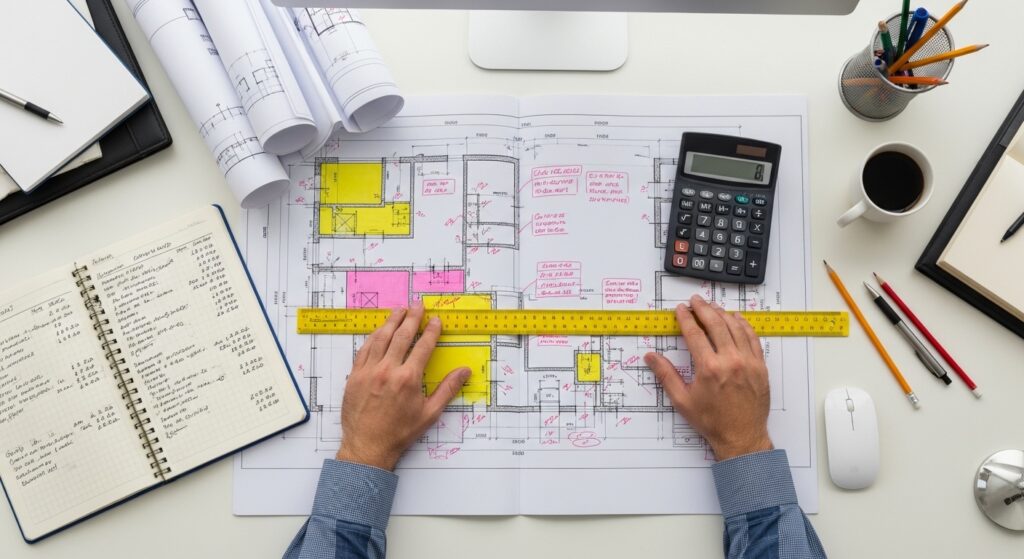
1. Incomplete Quantity Takeoffs
One of the most frequent construction estimating mistakes is missing materials during the takeoff process.
If material quantities are incomplete, the estimate will not reflect the actual project cost.
Common examples include:
- Missing reinforcement steel
- Ignoring fasteners or connectors
- Overlooking insulation or finishes
Professional quantity takeoff services help contractors ensure accurate material calculations.
2. Ignoring Labor Productivity Rates
Labor often represents the largest portion of construction costs. Estimating labor without realistic productivity rates can create major cost discrepancies.
Factors that affect productivity include:
- project complexity
- crew experience
- weather conditions
- site accessibility
Estimators must use historical productivity data to create reliable labor estimates.
3. Using Outdated Material Prices
Material costs fluctuate frequently due to supply chain changes and market demand.
Using outdated pricing data can result in significant estimating errors.
Contractors should update their material cost databases regularly or request supplier quotes before preparing estimates.
4. Misinterpreting Construction Drawings
Construction drawings contain detailed information that estimators must interpret correctly.
Common mistakes include:
- misunderstanding dimensions
- missing specification details
- overlooking scope changes
Careful review of project drawings reduces the risk of estimation errors.
5. Forgetting Indirect Costs
Many contractors focus only on materials and labor while ignoring indirect project expenses.
Indirect costs may include:
- project supervision
- temporary utilities
- safety equipment
- equipment rentals
These costs must be included in the estimate to ensure project profitability.
6. Underestimating Equipment Costs
Construction equipment can represent a significant portion of project expenses.
Estimators must consider:
- equipment rental rates
- fuel costs
- maintenance expenses
- operator wages
Failing to account for these factors can increase project costs unexpectedly.
7. Failing to Include Contingency
Construction projects often face unexpected issues such as design changes or site conditions.
Without contingency allowances, contractors may struggle to absorb additional costs.
A contingency percentage helps protect contractors from unforeseen risks.
8. Rushing the Estimating Process
Contractors often rush estimates when deadlines are tight. However, rushing increases the likelihood of errors.
A structured estimating workflow ensures accuracy and consistency.
Many contractors rely on material takeoff services when time constraints make in-house estimating difficult.
9. Poor Communication with Subcontractors
Subcontractor pricing plays a major role in construction estimates.
If communication with subcontractors is unclear, estimates may include inaccurate pricing or incomplete scope.
Contractors should verify subcontractor proposals before finalizing bids.
10. Not Using Estimating Software
Manual estimating methods increase the risk of calculation errors.
Modern estimating tools allow contractors to:
- perform digital takeoffs
- automate cost calculations
- track historical cost data
Combining software with professional commercial estimating services or residential estimating services can significantly improve estimating accuracy.
Construction Estimating Best Practices
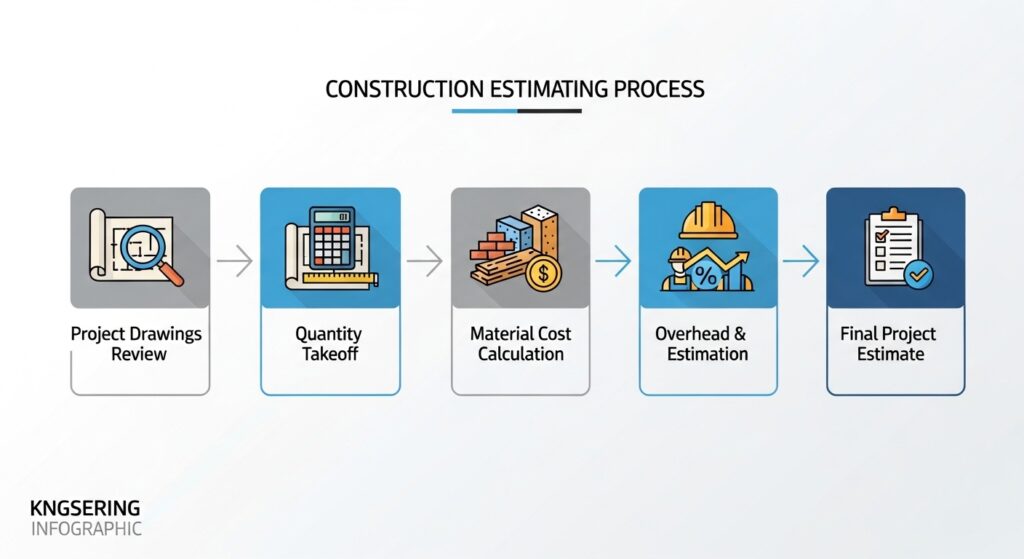
Avoiding construction estimating mistakes requires a structured estimating process.
Use Detailed Quantity Takeoffs
Material quantities should be calculated carefully using digital takeoff software.
Maintain Updated Cost Databases
Regular updates ensure material and labor prices reflect current market conditions.
Review Drawings Thoroughly
Estimators must analyze all drawings and specifications before preparing estimates.
Include All Cost Categories
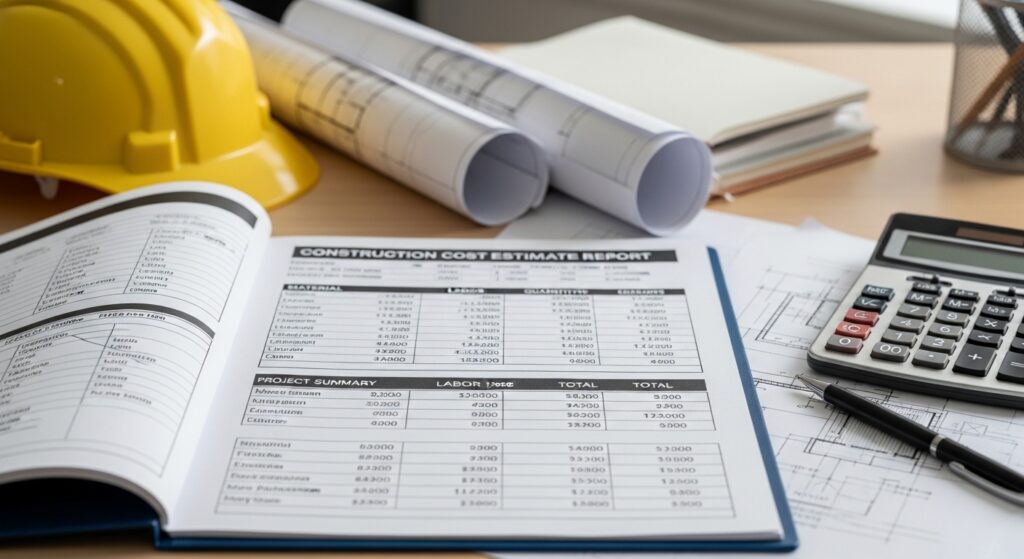
Estimates should include direct costs, indirect costs, contingency, and profit margins.
Use Professional Estimating Support
Experienced estimators can identify hidden costs and improve estimate accuracy.
Construction Estimating Error Impact
| Estimating Mistake | Possible Impact |
|---|---|
| Missing materials | Cost overruns |
| Incorrect labor estimates | Schedule delays |
| Outdated pricing | Profit loss |
| Ignoring indirect costs | Budget shortages |
| No contingency | Financial risk |
Understanding these impacts helps contractors develop better estimating practices.
Conclusion
Construction estimating mistakes can significantly affect project profitability and contractor reputation. Errors in material quantities, labor productivity, pricing, or project scope can quickly lead to cost overruns and financial losses.
Contractors who follow structured estimating processes, use modern estimating tools, and verify project data carefully can avoid these common errors. Accurate estimating ultimately improves bid competitiveness, project planning, and long-term business success.
FAQ Section
What are the most common construction estimating mistakes?
Common mistakes include missing materials during takeoffs, using outdated pricing, underestimating labor, and ignoring indirect costs.
Why do construction estimating errors happen?
Estimating errors often occur due to incomplete drawings, rushed estimates, outdated cost data, or lack of estimating experience.
How can contractors avoid construction estimating mistakes?
Contractors can avoid mistakes by using digital estimating software, reviewing project drawings carefully, and verifying material quantities.
Why is quantity takeoff important in construction estimating?
Quantity takeoffs determine the exact amount of materials required, which directly affects project cost estimates.
Do contractors outsource estimating services?
Yes. Many contractors outsource estimating services to improve accuracy and save time during the bidding process.
Resources
U.S. Bureau of Labor Statistics
https://www.bls.gov
National Institute of Building Sciences
https://www.nibs.org
Construction Industry Institute
https://www.construction-institute.org
Engineering News-Record
https://www.enr.com
Author Bio
Phoenix Estimations Team
Phoenix Estimations is a professional construction cost estimating company providing quantity takeoff, material takeoff, and estimating services for contractors, developers, and architects across North America. Our expert estimators help construction professionals prepare accurate bids, reduce cost overruns, and improve project planning.